Quality and freshness beyond the harvest season
Apples continue to respire after harvest. During storage, they consume oxygen and gradually use up sugars and acids, affecting flesh firmness, color, aroma and overall product quality. Poor atmosphere management can also promote physiological disorders such as superficial scald and senescence, as well as the development of decay. Isolcell technologies reduce the fruit’s respiration rate through refrigeration and precise control of oxygen and carbon dioxide concentrations. ULO controlled atmosphere and Isostore DCA-CF dynamic technology allow storage conditions to be adapted to the product’s actual physiological condition.
An atmosphere that adapts to the fruit’s needs
Isostore uses chlorophyll fluorescence sensors to identify the lower oxygen limit tolerated by apples. The system enables operation at very low oxygen levels, reducing the risk of fermentation and preserving freshness, firmness and organoleptic properties for longer.
Main applications
Apple storage in controlled atmosphere, ULO and DCA-CF
Superficial scald control
Reduction of decay and senescence
Preservation of flesh firmness
Assessment of maturity at harvest
Reduction of weight loss during storage
Related applications
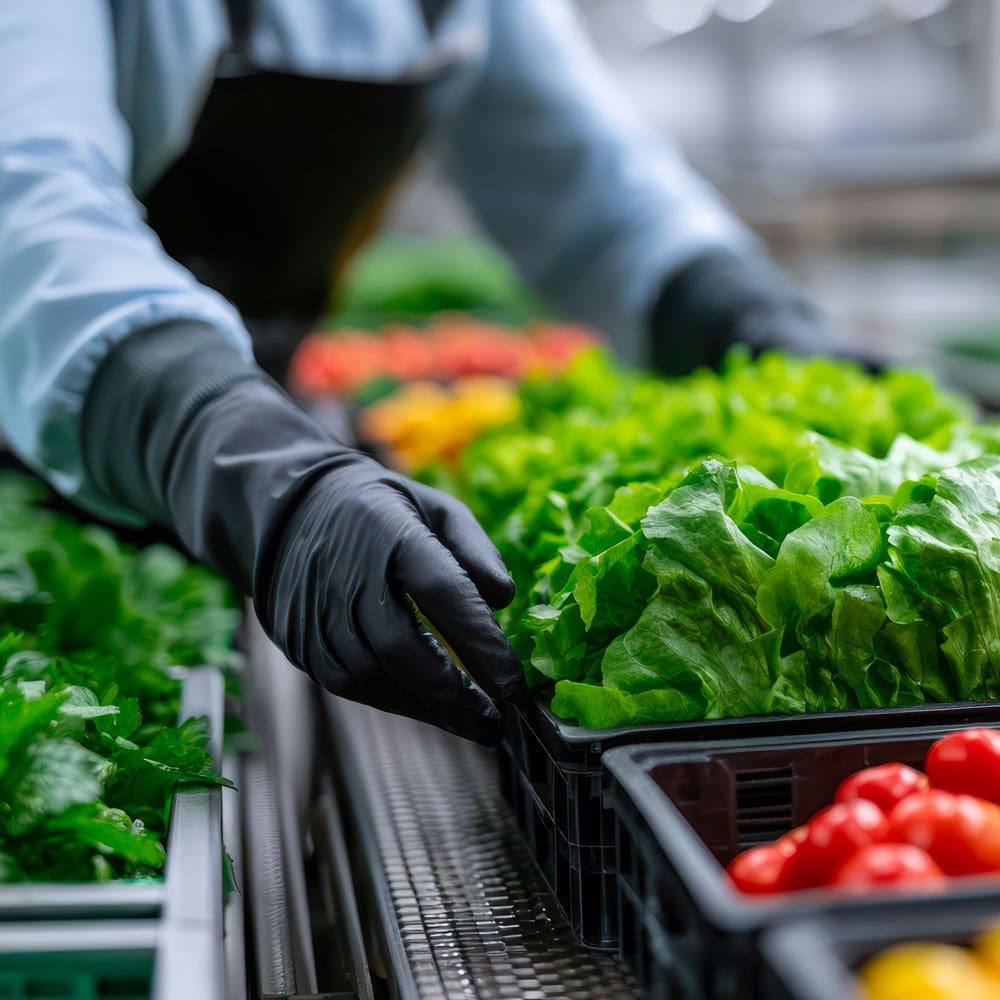
Research centers and experimental facilities
Research centers need to control small quantities of produce separately, adjust gas concentrations precisely and collect repeatable data during experimental trials.
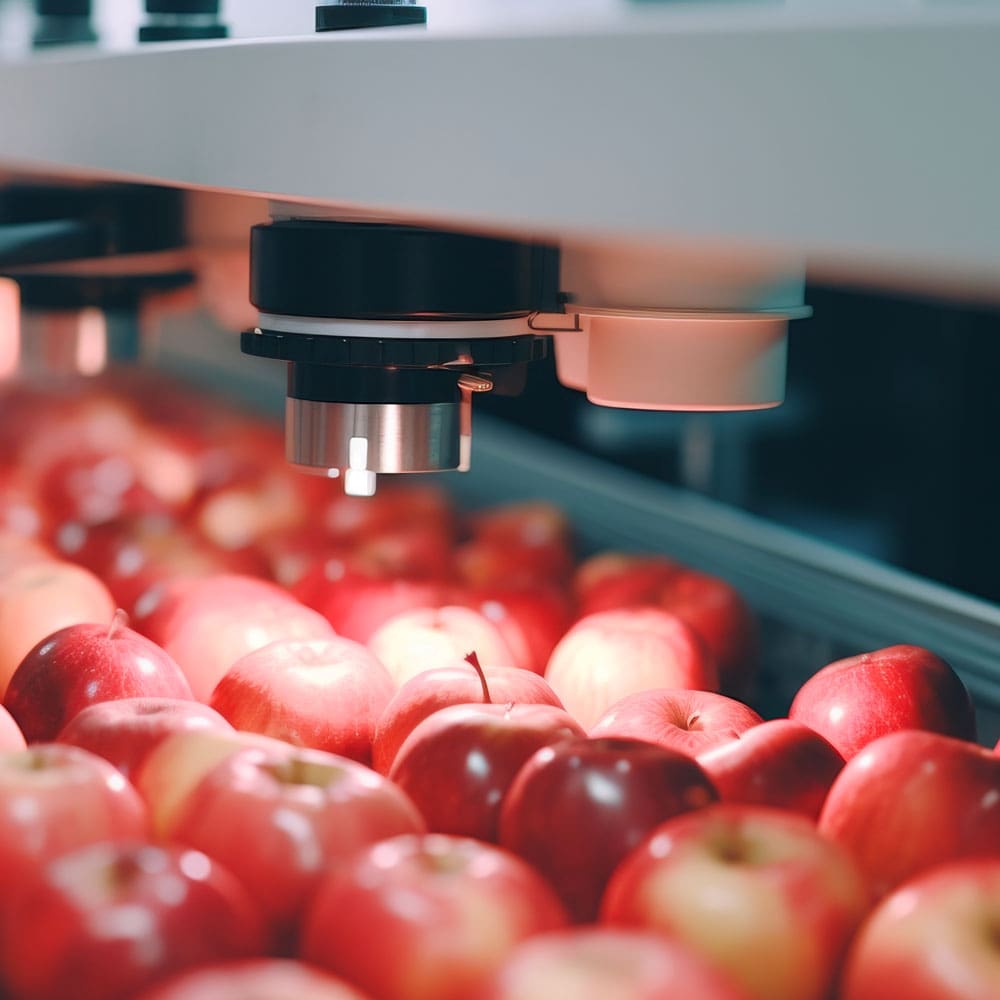
Fruit and vegetable processing and packing facilities
Areas used for processing, sorting and packing fruit and vegetables may be affected by the presence of mold, bacteria, odors and volatile organic compounds.
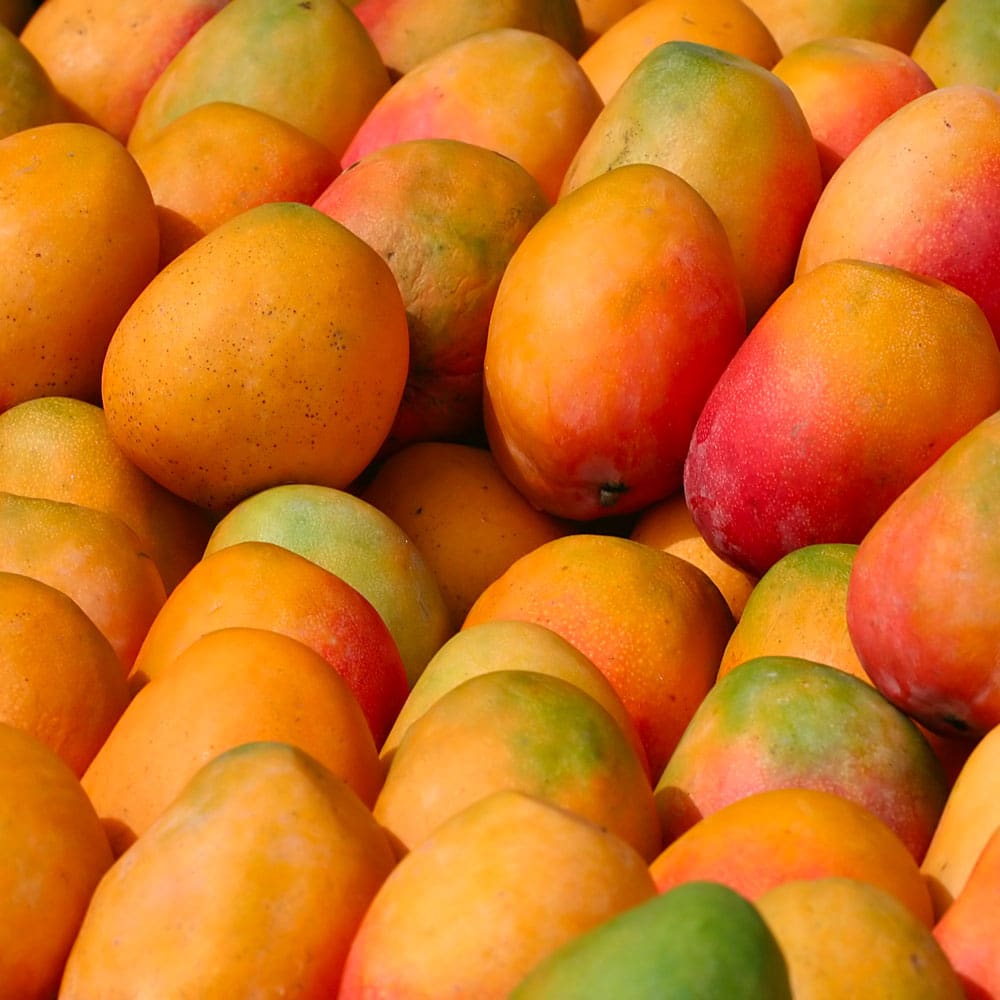
Mango storage
Mango is a climacteric fruit whose ripening can accelerate rapidly in the presence of ethylene. Controlling the atmosphere, temperature and microbiological quality of the storage environment is therefore essential.