



Storage
Division
Designs and develops solutions for fruit and vegetable storage, including turnkey storage facilities with thermal insulation, insulated doors, gas-tight sealing, industrial refrigeration and atmosphere control systems.
Storage
Division
Designs and develops solutions for fruit and vegetable storage, including turnkey storage facilities with thermal insulation, insulated doors, gas-tight sealing, industrial refrigeration and atmosphere control systems.
Nitrogen generators
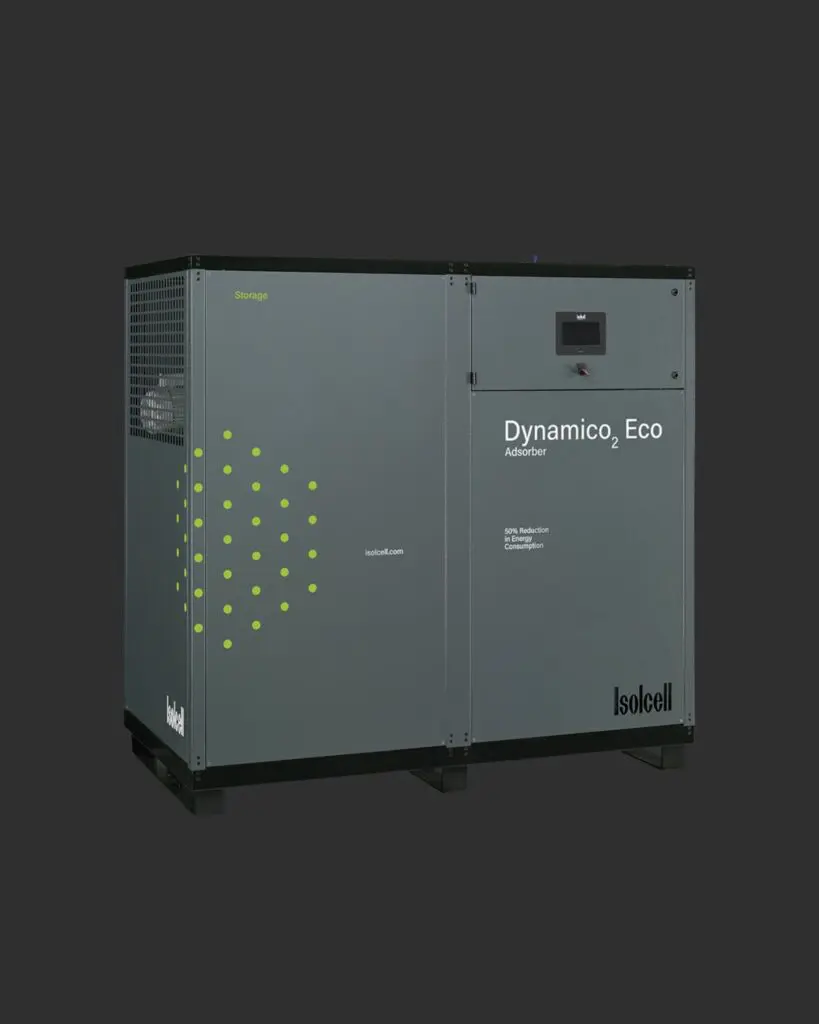
CO₂ adsorbers
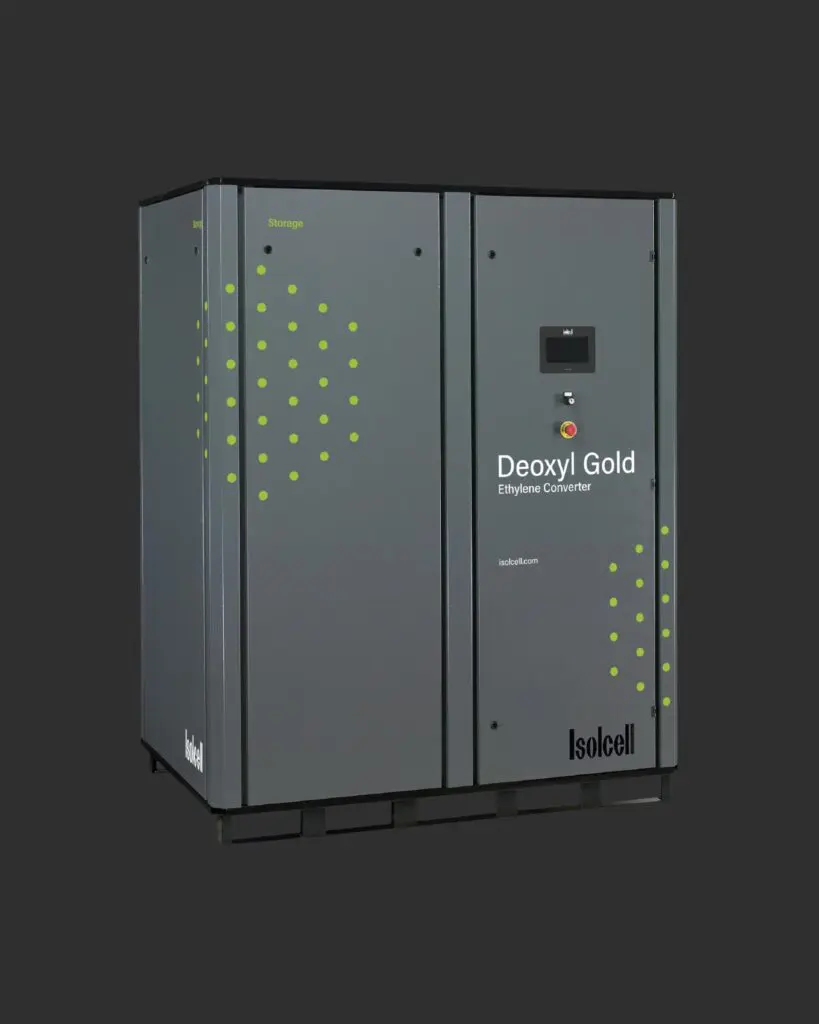
Ethylene removal systems
Air sanitizers
Atmosphere technologies
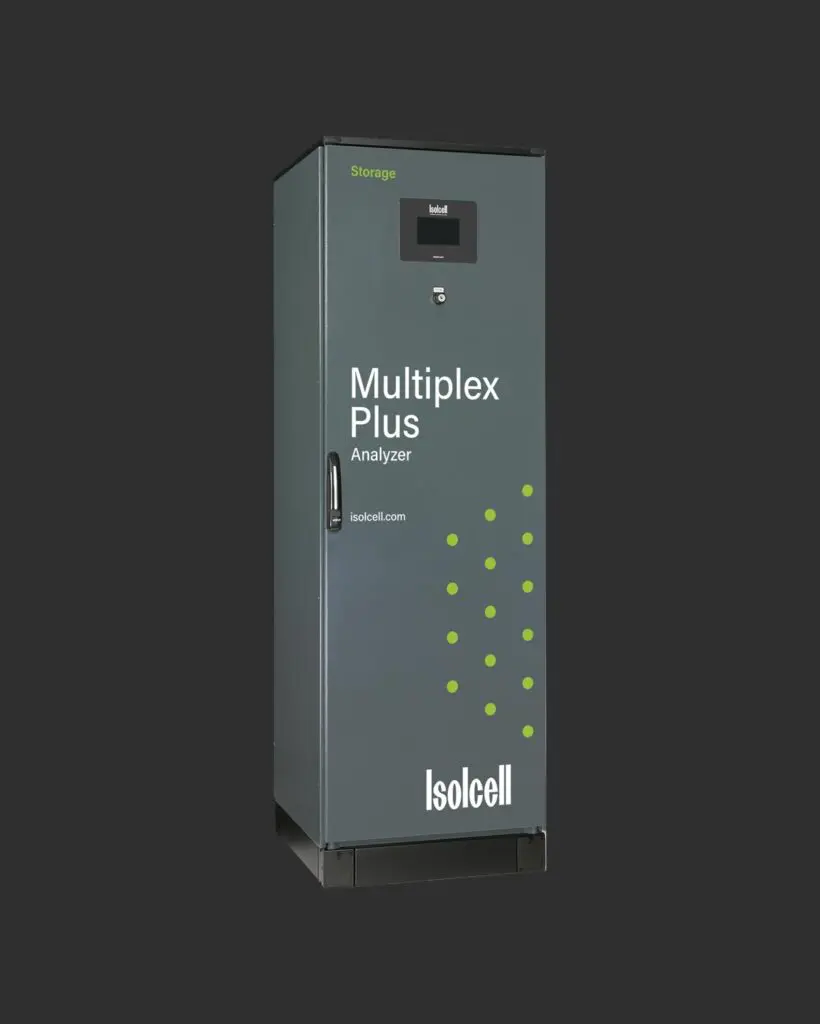
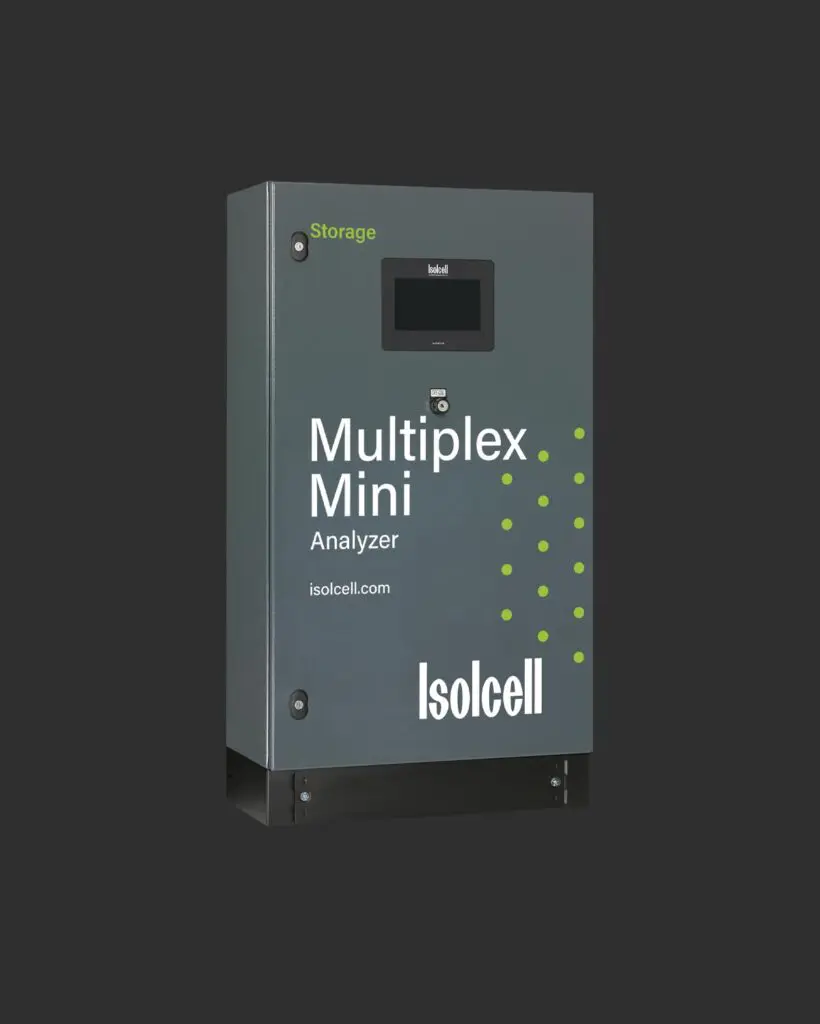
Measurement
Systems and solutions
Solutions for the storage
of fruit and vegetables
Advanced technologies to preserve quality and extend storage life
The division uses the most advanced controlled atmosphere technologies to preserve food quality and extend postharvest life. It also designs and builds turnkey storage facilities, starting with thermal insulation using sheet-metal and polyurethane sandwich panels.
It completes these facilities with insulated doors, gas-tight sealing, industrial refrigeration and all the equipment required to control the atmosphere. This is Isolcell’s original division, with installations worldwide.
Applications
Isolcell offers a wide variety of solutions for postharvest fruit storage and for processing and research centres. Their shared goal is to slow the fruit’s physiological processes after harvest, preserving texture, aroma and commercial quality throughout the supply chain, from storage to distribution.
Apple storage
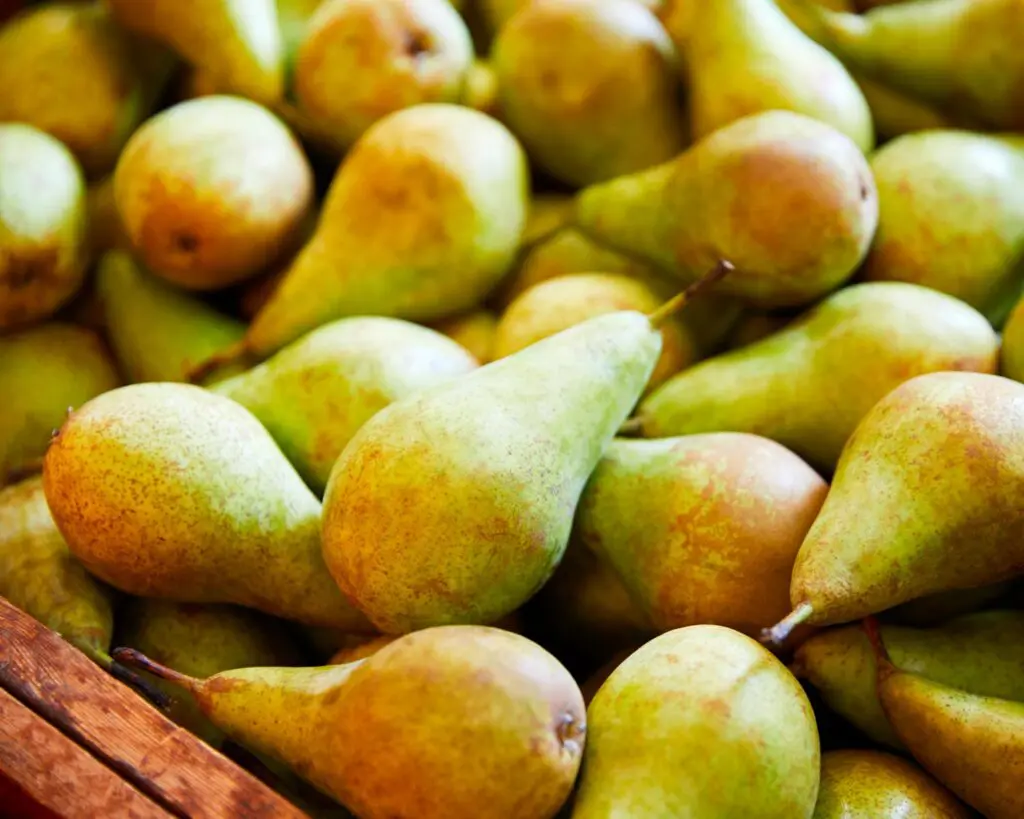
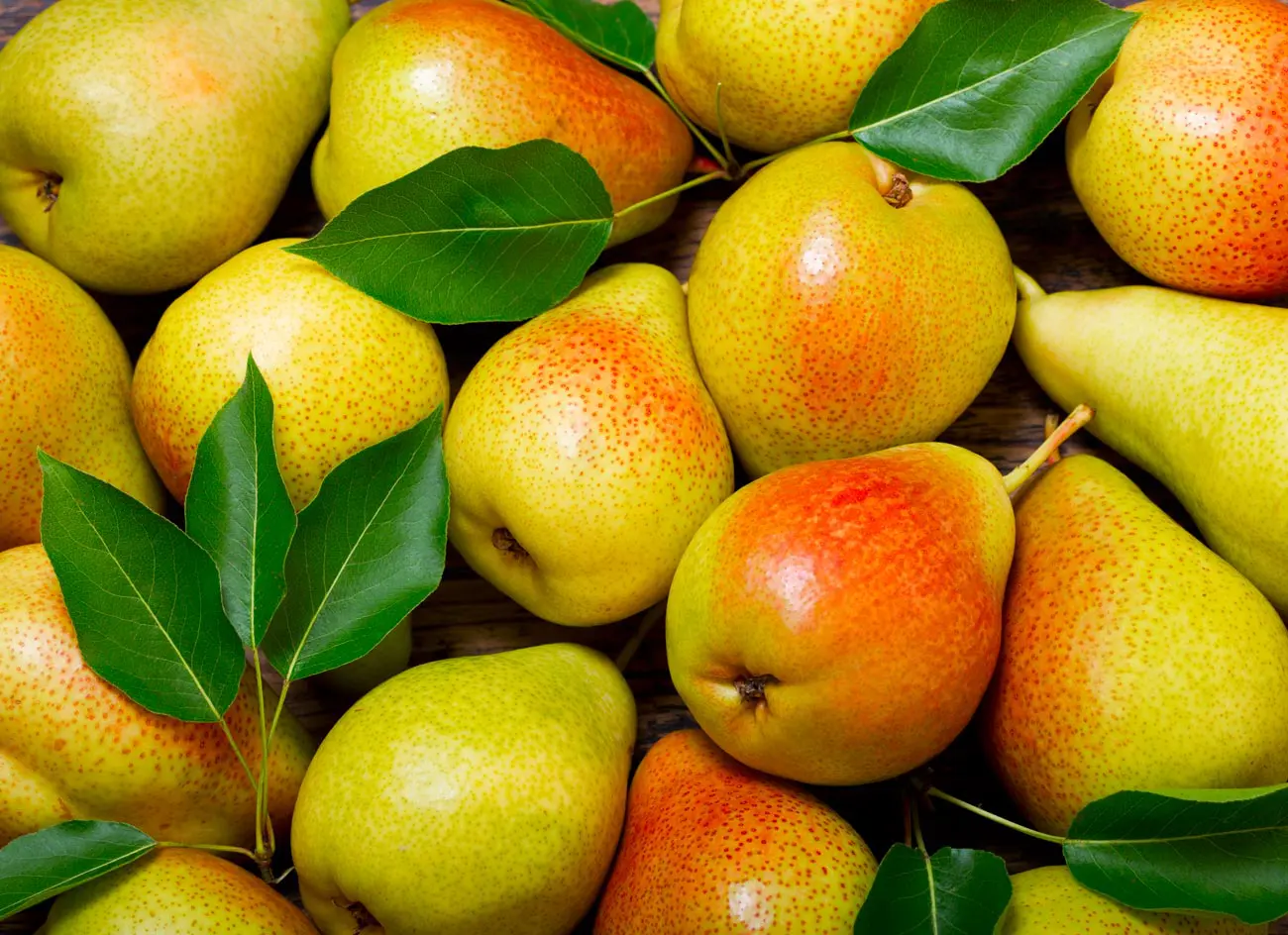
Pear storage
Kiwifruit storage
Blueberry and berry storage
Avocado storage
Mango storage
Fruit and vegetable processing and packing
Research centres and experimental facilities
What is a controlled
atmosphere (CA)?
Every plant product has its own metabolism. Each fruit is alive and respires, consuming oxygen both while growing in the field and after harvest. Respiration involves the breakdown and oxidation of compounds such as sugars and acids stored in plant tissues. Its end products are heat, carbon dioxide, water vapour and certain aroma compounds. The higher a fruit’s respiration rate, the faster it ages and the shorter its storage life. For many years, refrigeration was the only method used to preserve fresh fruit and vegetables.
In 1821, the plant physiologist Berard discovered that fruit stored at low oxygen levels had a slower metabolism. In the early 20th century, researchers Kidd and West gave the concept of CA a precise scientific definition, but its commercial introduction came only in the late 1950s, simultaneously in Europe and the USA. Both reducing oxygen and increasing carbon dioxide in the storage environment significantly lower the respiration rate.
Combined with lower temperatures, CA acts more deeply on plant metabolism: it reduces the fruit’s ethylene production, prevents chlorophyll breakdown (green colour), delays pectin hydrolysis (flesh firmness) and slows the breakdown of vitamins and acids.
Additional benefits
Reduced respiratory metabolism
of fruit and vegetables
In commercial terms, this not only preserves the product’s sensory quality but also reduces losses caused by pathogens (fungi) and physiological disorders such as superficial scald, senescent scald and chilling injury in general. These benefits are even more tangible with improved CA techniques first introduced in Italy by Isolcell, with exclusive worldwide rights in the case of DCA-CF. These include ULO and DCA-CF (Dynamic Controlled Atmosphere with Chlorophyll Fluorescence). ULO involves storing produce at an oxygen concentration of around 1%. The choice of atmosphere depends on the product (species and variety) and its physiological condition at harvest. Compared with conventional CA, ULO further reduces respiratory metabolism by 30%.
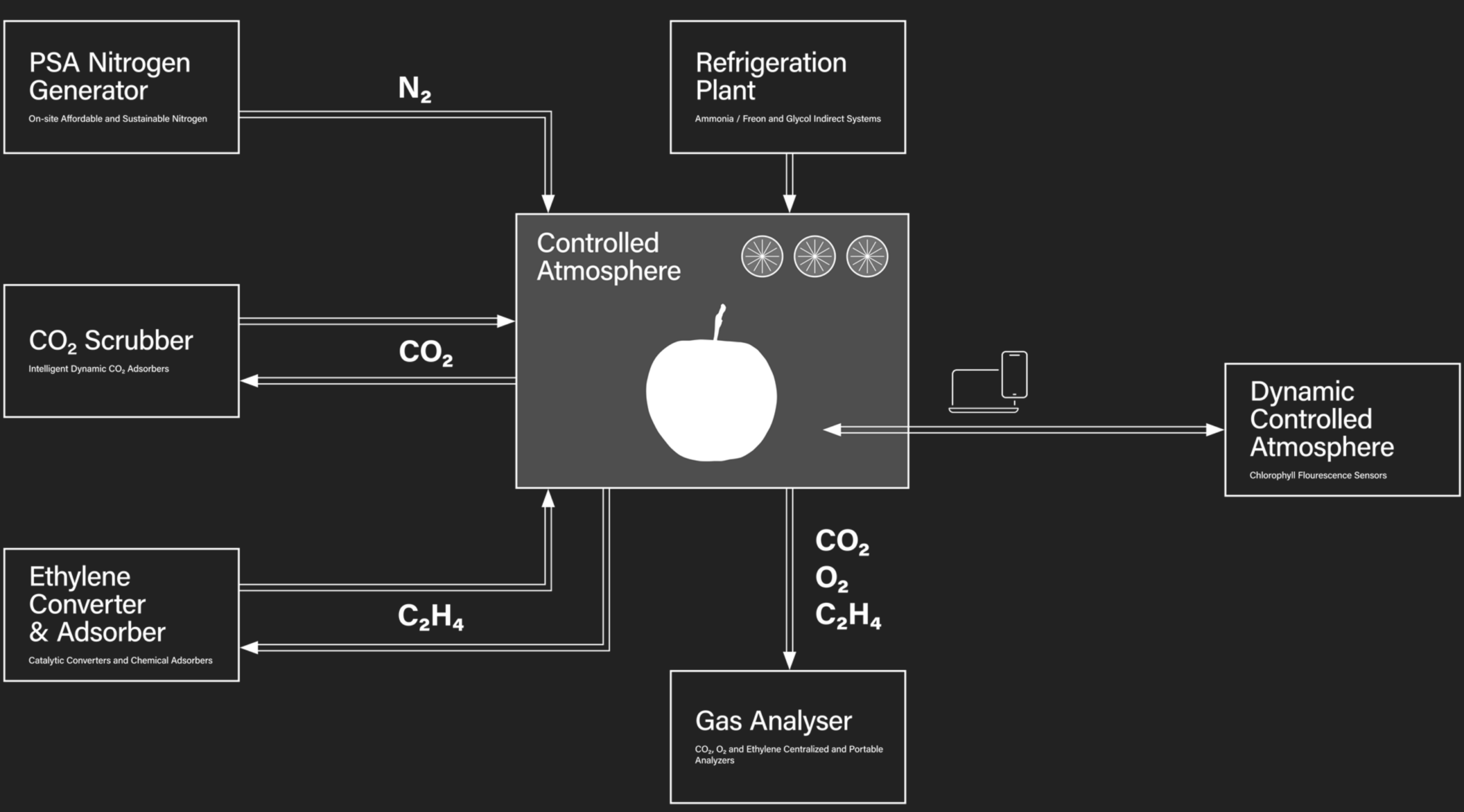
The latest revolutionary storage technology, DCA-CF (Dynamic Controlled Atmosphere with Chlorophyll Fluorescence), further improves fruit quality during storage. Previously unimaginable levels of quality preservation are achieved by dynamically adapting the controlled atmosphere to the physiological condition and biological activity of the stored produce. The method was devised and patented by a Canadian government research institute and developed at the Laimburg Research Centre for Agriculture and Forestry. Isolcell introduced this technology into commercial storage rooms as early as 2003 and holds exclusive worldwide distribution rights.
PSA NL
Re-engineering
a proven technology
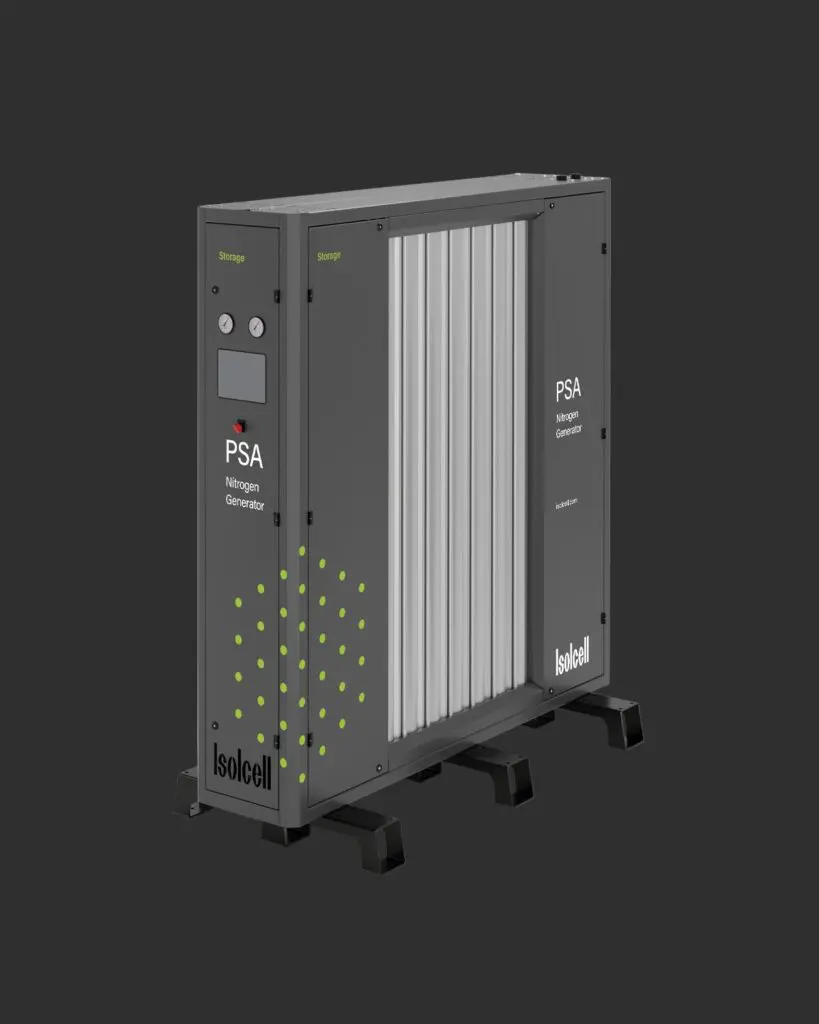
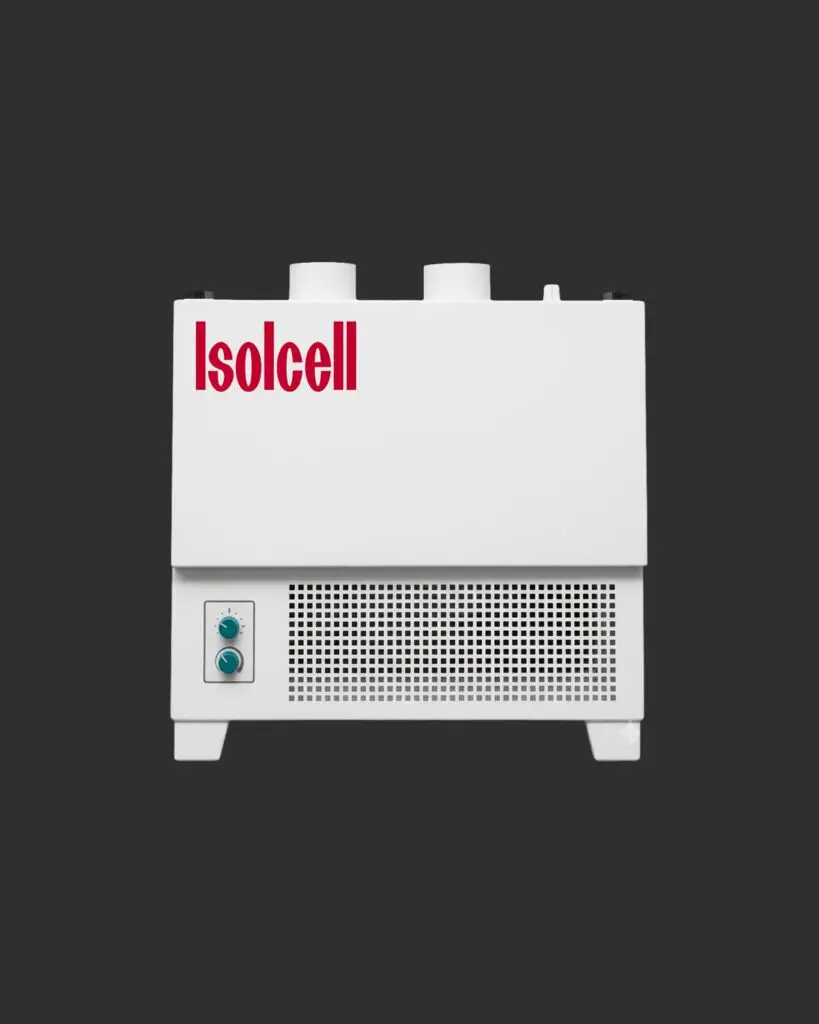
Fifty years of experience developing and manufacturing technologies and equipment for treating and modifying gas mixtures, the highest-quality materials and components, meticulous engineering and strict quality controls: together, these make our new nitrogen generator range a benchmark in the pressure swing adsorption market.
PSA nitrogen generators are particularly suitable for applications requiring high-pressure, high-purity nitrogen combined with low energy consumption.
Products
How we create
a controlled atmosphere
Quality
Premium molecular sieves and a sophisticated electronic monitoring and control system enable our nitrogen generators to maintain the excellent quality of the nitrogen produced, consistently and under control over time.
Reliability
Extensive experience researching, designing and building equipment and systems for treating gas mixtures, gained through thousands of installations in diverse settings, together with the rigorous testing of every new machine, has enabled us to excel in developing technical solutions and selecting components. These strengths translate into exceptional robustness and reliability.
Low operating costs
Components with exceptionally low energy consumption and new geometries developed using CAD and fluid dynamics simulation software have further improved the energy-to-nitrogen output ratio. This reduces nitrogen production costs and places our new PSA generator range at the forefront of the industry.
Modularity and expandability
The modular, expandable design allows the capacity of these machines to be increased quickly and cost-effectively directly at the customer’s site. This protects the value of the investment over time, allowing each machine to grow in line with the customer’s needs.
Ergonomics
The design and internal ergonomics have been meticulously reviewed. A clear, modular structure, components grouped by function and direct access to every part simplify all maintenance work.
Versatility
Each machine can be individually configured to meet a customer’s specific needs by adjusting pressure and purity, without requiring special design variants. To complement our extensive standard range and meet even the most demanding requirements, we also build PSA systems designed around the customer’s specific needs.
Pre-sales
& after-sales services
Feasibility studies and quotations
Technical, economic and financial analysis, including budget estimates and investment profitability assessments. For information, quotations and advice on controlled atmosphere fruit and vegetable storage facilities for any requirement, email: isolcell@isolcell.com
Turnkey systems
Design, construction, transport and installation of turnkey fruit and vegetable storage facilities. From small experimental laboratories to industrial warehouses, Isolcell provides thermal insulation, insulated doors, sealing, industrial refrigeration and all the equipment needed to control the atmosphere.
System monitoring and maintenance
Technical support during installation, commissioning and operation. Routine and scheduled equipment maintenance. Checks on the analysis system, including calibration and replacement of analytical sensors where necessary.